Tag: Wayne County

  • How to Start (or Grow) a Real Estate Portfolio in Southeast Georgia

    Buyer Tips

    How to Start (or Grow) a Real Estate Portfolio in Southeast Georgia


    9–14 minutes

    Real estate is one of the most reliable wealth-building tools available to everyday people — not just institutions and developers. And Southeast Georgia, with its affordable entry points, landlord-friendly laws, and coastal upside, is one of the better places in the country to put that tool to work.

    Heather Tyre did not start out as a developer. She started out as a neighbor — someone who knows Wayne County, who cares about Jesup, and who understands the Georgia coast the way only a local can. But over her time in real estate, she has helped a growing number of clients build something more than a home. She has helped them build a portfolio — a collection of properties that generate income, appreciate over time, and create the kind of financial foundation that a paycheck alone rarely does. 

    This post is for anyone who has thought about real estate investment but does not know where to start. It is also for experienced investors who are wondering whether Southeast Georgia belongs in their strategy. The short answer: for the right investor, it absolutely does. Here is the longer answer — and the practical steps to get moving.

    7.0%

    Georgia’s gross rental yield — among the highest in the Southeast

    3.5%

    Georgia unemployment rate — lowest in this comparison group

    $0 

    Statewide rent control — Georgia has none

    Why Southeast Georgia Makes Sense for Real Estate Investors

    Before you look at a single property, it helps to understand why Georgia — and Southeast Georgia specifically — is attracting serious real estate investors right now. At the state level, Georgia offers one of the strongest gross rental yield profiles in the Southeast at 7.0%, according to current market data. The state has no statewide rent control, a landlord-friendly legal environment, and a relatively fast eviction process when it is needed — typically 45 to 60 days — which is meaningfully faster than many other states.

    Georgia’s unemployment rate sits at approximately 3.5%, and the diverse employment base — healthcare, logistics, agriculture, military, and coastal tourism — supports a stable tenant pool across the region. Within Southeast Georgia specifically, the investment case is built on a few distinct advantages. Property prices in Wayne County remain significantly below Georgia’s statewide median, meaning your entry cost is lower and your potential cash-on-cash return is higher.

    The Golden Isles coastal market offers short-term rental upside that few inland markets can match. And the region sits at the intersection of I-95 and Highway 84 — a logistics and distribution corridor that has quietly brought steady employment growth to the area. Georgia has also consistently ranked among the top five states in the nation for overnight visitation for five consecutive years. That matters for investors thinking about the coastal short-term rental market. Tourism is not a trend here — it is a permanent and growing economic engine.

    The Four Investment Strategies That Work in This Market

    Not all real estate investment strategies work equally well in every market. Here is how the most common approaches map onto Southeast Georgia’s specific conditions. The first strategy is the long-term rental — sometimes called buy and hold. You purchase a property, find a tenant, and collect monthly rent while the property appreciates over time. In Wayne County and Jesup, where home prices remain affordable relative to monthly rental demand, this strategy can produce positive cash flow from day one when purchased and financed correctly. This is the foundation of most investment portfolios and the best starting point for first-time investors.

    The second strategy is the short-term rental — Airbnb and VRBO properties targeting tourists and travelers. The Golden Isles and St. Simons Island coastal market is one of Georgia’s strongest performers for this approach, with year-round demand driven by the beach, the historic sites, and the coastal lifestyle. Heather has specific expertise in identifying properties with short-term rental potential — she knows which neighborhoods, property types, and price points work, and which ones look attractive on paper but struggle to perform.

    The third strategy is the BRRRR method — Buy, Rehab, Rent, Refinance, Repeat. This approach involves purchasing a distressed or undervalued property, renovating it to increase its value, renting it out, and then refinancing to pull out equity — which you use to fund your next purchase. Wayne County has inventory that suits this strategy, and Heather knows which properties are genuinely undervalued versus which ones are cheap for good reason.

    The fourth strategy is land. Southeast Georgia has significant land inventory — agricultural parcels, timber tracts, waterfront acreage — and land investment carries its own logic. It requires no maintenance, no tenants, and no ongoing management. It does require patience and a clear exit strategy. Heather’s roots in Wayne County give her specific knowledge of land values, zoning, and development potential that most agents simply do not have.

    “The best investment strategy is the one you can actually execute — and sustain. Start with what you understand, in a market you know, at a price point that lets you sleep at night.”

    Most successful portfolio builders start with one property — typically a long-term rental — learn the fundamentals of land-lording, and expand from there. The investors Heather has watched build real wealth are not the ones who went big immediately. They are the ones who went intentionally, one well-chosen property at a time.

    The Numbers That Matter Before You Buy

    Real estate investment is a business, and businesses run on numbers. Before you make any offer on an investment property, you need to understand a handful of metrics that will tell you whether a property is worth buying or worth passing on. Cash flow is the monthly income a property generates after all expenses are paid — mortgage, taxes, insurance, property management, maintenance reserves, and vacancy allowance. Positive cash flow means the property puts money in your pocket every month. Negative cash flow means you are subsidizing the property.

    Many investors accept modest negative cash flow in high-appreciation markets, but in Southeast Georgia, positive cash flow is achievable and should be your baseline standard. Cash-on-cash return measures the annual cash flow you receive relative to the cash you invested — your down payment plus closing costs and any renovation expenses. A 6% to 8% cash-on-cash return is considered solid in most markets. In Wayne County, where purchase prices are low, hitting those numbers is more achievable than in higher-cost Georgia markets.

    The cap rate — capitalization rate — measures the property’s income potential independent of financing. It is calculated by dividing the annual net operating income by the purchase price. Cap rates in Southeast Georgia vary by property type and location, but understanding where a specific property’s cap rate sits relative to the local market tells you whether it is priced fairly for an investor. Gross rent multiplier is a quick screening tool: divide the purchase price by the annual gross rent. A lower number generally indicates better value. It is not a comprehensive analysis tool, but it is useful for quickly comparing multiple properties before you dig into the detailed numbers. 

    Before You Make an Offer on an Investment Property, Know These Numbers

    • Monthly gross rent — What comparable rentals in the area are actually leasing for right now (not what you hope to charge). 
    • Monthly expenses — Mortgage payment (PITI), property management fee (typically 8–10% of rent), maintenance reserve (1% of purchase price annually), and vacancy allowance (5–8%).
    • Monthly net cash flow — Gross rent minus all monthly expenses. This is your actual monthly return.
    • Cash-on-cash return — Annual net cash flow divided by total cash invested. Target 6% or better in this market.
    • Exit strategy — How will you eventually sell or refinance this property? Every investment needs an exit, not just an entry.

    Financing an Investment Property — What Is Different From a Primary Home

    Financing an investment property works differently from financing a home you plan to live in, and the differences matter to your returns. Conventional investment property loans typically require a minimum 20% down payment for a single-family rental, and 25% for a multifamily property of two to four units. Your interest rate will generally be 0.5% to 0.75% higher than a comparable owner-occupied rate — which is currently putting most Georgia investment property rates in the 7.0% to 7.5% range depending on your credit and loan structure.

    Debt Service Coverage Ratio loans — often called DSCR loans — are increasingly popular among investors who own multiple properties or whose traditional income documentation does not align well with conventional underwriting. DSCR loans qualify you based on the property’s income potential rather than your personal income. If the property’s projected rent covers the mortgage payment at the required ratio, you qualify. For investors who are self-employed, retired, or who have maxed out their conventional loan count, DSCR financing opens doors that would otherwise be closed. For investors looking at two-to-four unit properties — duplexes, triplexes, and fourplexes — there is a meaningful financing advantage if you plan to live in one unit.

    Owner-occupied multifamily properties qualify for conventional financing with as little as 3.5% down under FHA guidelines, and the rental income from the other units can be counted toward your qualifying income. This is one of the most powerful entry-level investment strategies available, and Palmetto Place — a custom duplex development in Jesup being sold by Heather — is built with exactly this kind of buyer-investor in mind. 

    Building a Portfolio Over Time — The Practical Path

    Most successful real estate portfolios are not built in a single transaction. They are built one property at a time, with each purchase informed by the lessons of the last. Here is the realistic path that Heather has watched work for investors across Southeast Georgia.

    Year one: buy one well-chosen rental property in Wayne County or the surrounding area. Focus on cash flow. Learn the fundamentals of being a landlord — or engage a property manager from day one if you prefer a more hands-off approach. Stabilize the property, understand your actual numbers, and resist the urge to buy again until you have a real read on how the first property performs.

    Years two to three: once the first property is stable and you understand the rhythm of the investment, evaluate the equity you have built and the cash reserves you have accumulated. Is there an opportunity to refinance and pull out capital for a second purchase? Is there a distressed property nearby that fits the BRRRR model? Is the short-term rental market on the coast calling your attention?

    Year three and beyond: as your portfolio grows, so does your sophistication. You understand market cycles better. You know your numbers. You have relationships with lenders who understand investors, contractors you can trust, and a local agent who knows what is coming to market before it hits the MLS.

    That last point matters more than most investors realize. In a market like Wayne County, where the volume of quality investment properties hitting the MLS at any given time is limited, relationships are the competitive advantage. Heather’s relationships in this community — with estate attorneys, with out-of-area owners looking to sell, with other agents — mean her investor clients often know about opportunities before they are publicly listed.

    Is Real Estate Investment Right for You?

    Real estate investment is not the right move for everyone, and Heather will tell you that plainly. It requires capital, patience, a tolerance for the occasional difficult tenant or unexpected repair bill, and a long enough time horizon to let appreciation and equity work in your favor. It is not a get-rich-quick strategy. It is a get-wealthy-slowly strategy — one that has worked for generations of ordinary people who simply had the discipline to start, the patience to hold, and the wisdom to buy in the right place.

    Southeast Georgia offers the right place — affordable entry points, genuine rental demand, a landlord-friendly legal environment, and the coastal upside of the Golden Isles sitting right at the edge of the region. It is a market that rewards local knowledge and penalizes guesswork. And it is a market that Heather knows at the street level, the neighborhood level, and the county level. 

    If you have been thinking about real estate investment — your first property or your fifth — the conversation starts the same way: with an honest look at what you want to accomplish, what capital you have to work with, and what the right first step looks like for your specific situation.

    Heather has had that conversation with first-time investors in Jesup and seasoned portfolio builders eyeing coastal acquisitions. She is ready to have it with you too. Reach out and let’s talk. 

    Heather Tyre, Realtor

    Written by

    Heather Tyre

    Heather is a licensed Realtor® with eXp Realty and founder of Heather Tyre Home and Land Group. Having lived in Wayne County since she was a teenager, she specializes in residential sales, new construction, investment properties, and short-term rentals across Jesup, Brunswick, and the Golden Isles.

    Ready to Talk Investment Strategy?

  • 10 Things to Do Before You List Your Home in South Georgia

    Seller Tips

    10 Things to Do Before You List Your Home in South Georgia 


    10–15 minutes

    The difference between a home that sells in two weeks at full price and one that sits for two months with a price reduction is almost never the market. It is almost always the preparation.

    Selling your home is one of the most significant financial transactions of your life. And yet, more sellers than you might think walk into that transaction underprepared — pricing on gut instinct, skipping repairs they think buyers won’t notice, and listing before the home is truly ready to make its best impression. In today’s South Georgia market, where buyers have regained meaningful negotiating power and are evaluating properties carefully, preparation is not optional. It is the strategy. 

    Heather has helped sellers across Wayne County, Brunswick, and the Golden Isles get their homes ready for market for over a decade. She has seen what makes buyers write offers — and what makes them walk out the door and start negotiating your price down before they have even reached the car. Here are the ten things she recommends to every seller before that sign goes in the yard. 

    82%

    Of buyers’ agents say staging helps buyers visualize the home

    47% 

    Of agents say staging increased the home’s selling price

    50%

    Faster sale on average for staged vs. unstaged homes

    1. Get a Pre-Listing Inspection

    This is the single most underutilized tool in a seller’s arsenal — and one of the most powerful. A pre-listing inspection means you hire a licensed home inspector to walk through your property before it ever hits the market. You find out what a buyer’s inspector would find. And then you get to decide what to do about it. That decision matters enormously. Sellers who wait for the buyer’s inspection to reveal problems are negotiating from a reactive position. They are under contract, under deadline pressure, and being asked to remedy issues they are hearing about for the first time. The buyer has all the leverage.

    A seller who already knows what is in their home — who has had the roof evaluated, the HVAC serviced, the crawlspace checked — negotiates from a position of knowledge and strength. In Georgia, sellers are legally required to disclose known latent defects — issues a buyer would not discover through a reasonable visual inspection. A pre-listing inspection puts you fully in compliance and eliminates the risk of a deal falling apart at the worst possible moment because of a surprise discovery.

    The cost of a home inspection in South Georgia typically runs $300 to $500 depending on the size of the property. It is money that almost always pays for itself many times over.

    2. Declutter — Aggressively and Honestly

    Decluttering is not tidying up. Tidying up means things are put away. Decluttering means things are gone — in storage, donated, or removed from the property entirely. This is a crucial distinction because buyers are evaluating your home’s storage capacity, its spatial flow, and how it feels to move through it. A home packed with furniture, collections, family photos, and years of accumulated belongings feels small. The same home with intentionally edited spaces feels large and full of possibility.

    The goal of decluttering is not to erase your life from the home. It is to create enough visual breathing room that the buyer can project their life into it. Buyers are not buying your belongings or your memories. They are buying square footage, layout, light, and potential. Your job is to let those things show clearly.

    Heather’s practical recommendation: start a full month before you plan to list. Work through every room, every closet, every garage shelf. Rent a storage unit if needed — it is a legitimate selling expense and a worthwhile investment. Pay particular attention to kitchens and bathrooms, where countertop clutter has an outsized negative effect on perceived space and cleanliness.

    3. Deep Clean Everything — Then Clean It Again

    A deep clean goes well beyond your regular housekeeping routine. It means baseboards, ceiling fans, window tracks, grout lines, appliance interiors, light switch covers, and every surface a buyer’s eye might land on during a showing. It means the smell of the home — neutral, fresh, not aggressively perfumed, not carrying evidence of pets or cooking.

    Smell is one of the most underestimated factors in a home showing. Buyers often cannot articulate what made a home feel off to them — but the culprit is frequently an odor they absorbed the moment they walked through the door. If you have pets, ask a friend or neighbor who does not live with pets to give your home an honest assessment before you list. You may have become nose-blind to what is immediately apparent to a first-time visitor.

    Professional cleaning services in South Georgia run between $150 and $400 for a thorough pre-listing clean. If there is carpet in the home, professional carpet cleaning is typically worth the investment. If there is hardwood, have it assessed — a fresh polish can make floors that feel tired look brand new.

    4. Address Deferred Maintenance Before Buyers Find It

    Every home has deferred maintenance — the dripping faucet you have been ignoring, the light fixture that needs a new socket, the fence post that wobbles, the caulking around the tub that has seen better days. These items individually are often minor. Collectively, they tell a story. And the story they tell the buyers is: this home has not been cared for. What else might we find that we cannot see?

    The principle at work here is called “the broken window theory” applied to real estate. A buyer who sees three small maintenance issues in a showing starts mentally cataloguing them, wondering if there are larger issues hiding behind the drywall. That mindset leads to lower offers, more aggressive inspection demands, and requests for price reductions.

    Address the obvious items before you list. Fix the drips. Replace the burnt-out bulbs. Caulk the gaps. Rehang the door that sticks. Tighten the cabinet hardware. Patch the nail holes in the walls. None of these repairs are expensive, and each one removes a potential friction point from the buyer’s experience.

    “Small deferred maintenance items do not just cost you the repair — they cost you the buyer’s confidence. And lost confidence is expensive.”

    The pre-listing inspection Heather recommends in step one will surface most of these items systematically. But even before that inspection, a simple walk-through of your home with fresh eyes — pretending you are seeing it for the first time — will reveal more than you might expect. 

    5. Fresh Paint Is Almost Always Worth It

    If there is one improvement that consistently delivers a strong return on investment in pre-sale preparation, it is fresh interior paint. A freshly painted home smells clean, looks crisp, and communicates care. It is one of the most cost-effective ways to transform how a space reads in person — and more importantly, in listing photos.

    The goal with pre-sale paint is not to express your personal style. It is to appeal to the widest possible range of buyers. Warm neutrals — soft whites, warm grays, creamy greiges — work across furniture styles and design preferences. Bold accent walls, while perfectly appropriate for personal living, tend to narrow your buyer pool. If you have feature walls in strong colors, painting them out before listing is typically worth the modest cost.

    In South Georgia’s climate, exterior paint condition matters as much as interior. Peeling, faded, or chalky exterior paint is one of the first things buyers notice — and one of the first things they use to justify a lower offer. A fresh exterior coat, even on just the trim and front door, makes a significant difference in curb appeal and perceived home condition. 

    6. Maximize Curb Appeal — First Impressions Are Made Before the Door Opens

    In South Georgia, where the landscape is lush, the live oaks are magnificent, and outdoor living is part of the culture, curb appeal carries extra weight. A buyer who pulls up to a home with an overgrown yard, a weathered mailbox, and peeling paint on the shutters has already started their mental negotiation before they have set foot inside.

    Curb appeal improvements do not have to be expensive. Mow the lawn and edge the beds. Trim the shrubs and trees away from the structure. Pull the weeds and add fresh pine straw or mulch to planting beds. Pressure wash the driveway, sidewalk, and exterior surfaces. Plant a few inexpensive seasonal flowers near the entry. Replace or repaint the mailbox. Put a fresh doormat at the front door. Clean the porch furniture. These are afternoon projects, not renovation jobs. But they create the crucial first impression that either opens a buyer’s mind or closes it — before they have seen a single room inside.

    7. Stage the Key Rooms — Even If You Are Still Living There

    Professional staging is not just for vacant luxury properties. It is a strategic tool that helps buyers emotionally connect with a home, understand how to use the space, and picture their own lives inside it. According to the National Association of Realtors, 82% of buyers’ agents say staging helps buyers visualize the property as their future home — and 47% report that staging increased the home’s selling price. You do not need to hire a professional stager for every room. Focus your energy on the spaces that carry the most weight in a buyer’s decision.

    The Five Rooms That Sell Your Home

    • Living Room — This is where buyers spend the most time imagining their daily life. Edit furniture to create clear traffic flow. Remove excess pieces. Add fresh throw pillows or a simple throw blanket for warmth.
    • Primary Bedroom — Should feel like a retreat. Make the bed beautifully every day the home is on the market. Remove personal items from nightstands. Neutral bedding photographs well and appeals broadly.
    • Kitchen — Countertops should be nearly empty. A bowl of fresh fruit or a simple plant is enough. Appliances should be clean and ideally put away. The refrigerator front should be clear of magnets and papers.
    • Primary Bathroom — Invest in fresh, matching white towels just for showings. Remove personal hygiene products from counters. A small plant or candle (unlit) adds life without personalizing. 
    • Front Entry — The first interior impression. Remove shoes, coats, and clutter. Add a simple mirror if the space allows — it opens the room visually. Fresh flowers on an entry table make an immediate impression. 

    8. Invest in Professional Photography

    The vast majority of buyers begin their home search online. Your listing photos are not supplemental marketing — they are the first showing. Buyers are deciding within seconds whether to schedule a visit or keep scrolling. Listing photos taken on a phone, in poor lighting, with cluttered rooms in the background, do not convert to showings. Professional photography does.

    Professional real estate photography in South Georgia typically costs between $150 and $350, depending on the property size and whether video or drone footage is included. That investment affects every buyer who sees your listing — which can be hundreds of people over the life of your listing. No other pre-sale investment reaches that many potential buyers per dollar spent. If you are working with another agent who does not offer professional photography — that is worth asking about before you sign a listing agreement.

    9. Know What You Will and Will Not Negotiate Before Offers Come

    This is a preparation step that most sellers overlook entirely — and it costs them during negotiations. Before your home hits the market, sit down and think honestly about your negotiating parameters. What is the lowest price you are genuinely willing to accept? How will you handle a buyer who asks for closing cost contributions? What will you do if the inspection turns up something significant? Are there items in the home — fixtures, appliances, the dining room chandelier — that you want to take with you or that you are willing to include in the sale?

    Having clear answers to these questions before you receive an offer means you negotiate from a position of thoughtfulness rather than emotion. Real estate negotiations move quickly. Sellers who have not thought through their position in advance tend to make reactive decisions — and reactive decisions in real estate often mean leaving money on the table or agreeing to terms that do not serve them well. Heather walks through all of this with her sellers before they list. It is part of the preparation process, not an afterthought. 

    10. Price It Right — Then Trust the Strategy

    Everything on this list — the inspection, the cleaning, the staging, the photography — builds toward one moment: the day your home goes live on the market. And nothing undermines all of that preparation faster than the wrong price. Pricing is not guessing. It is not what your neighbor’s home sold for three years ago, and it is not what you need to net after paying off your mortgage. It is what the current market — the specific buyers actively looking in your price range, in your neighborhood, right now — is willing to pay for a home like yours.

    Heather builds every listing price recommendation on a rigorous Comparative Market Analysis — an honest, data-driven look at what comparable homes have actually sold for recently, adjusted for condition, location, and features. She will tell you what the market supports, even if that number is not the one you were hoping for. Because an accurate price from day one consistently outperforms an aspirational price followed by reductions. Every time. 

    Let’s Prep Your Home – Then Get it Sold!

    Preparing your home to sell in South Georgia is not about perfection. It is about presentation, honesty, and strategy. The sellers who do the work upfront — who invest the time and modest expense to get the home truly ready — are the sellers who walk away from the closing table feeling good about the outcome.

    Heather is here to guide you through every step of that process, from the first walkthrough to the final signature. If you are thinking about selling, the conversation starts with a simple call.

    Heather Tyre, Realtor

    Written by

    Heather Tyre

    Heather is a licensed Realtor® with eXp Realty and founder of Heather Tyre Home and Land Group. Having lived in Wayne County since she was a teenager, she specializes in residential sales, new construction, investment properties, and short-term rentals across Jesup, Brunswick, and the Golden Isles.

    Thinking About Selling? Start Here.

  • Wayne County Real Estate Market: Buyer’s or Seller’s 2026

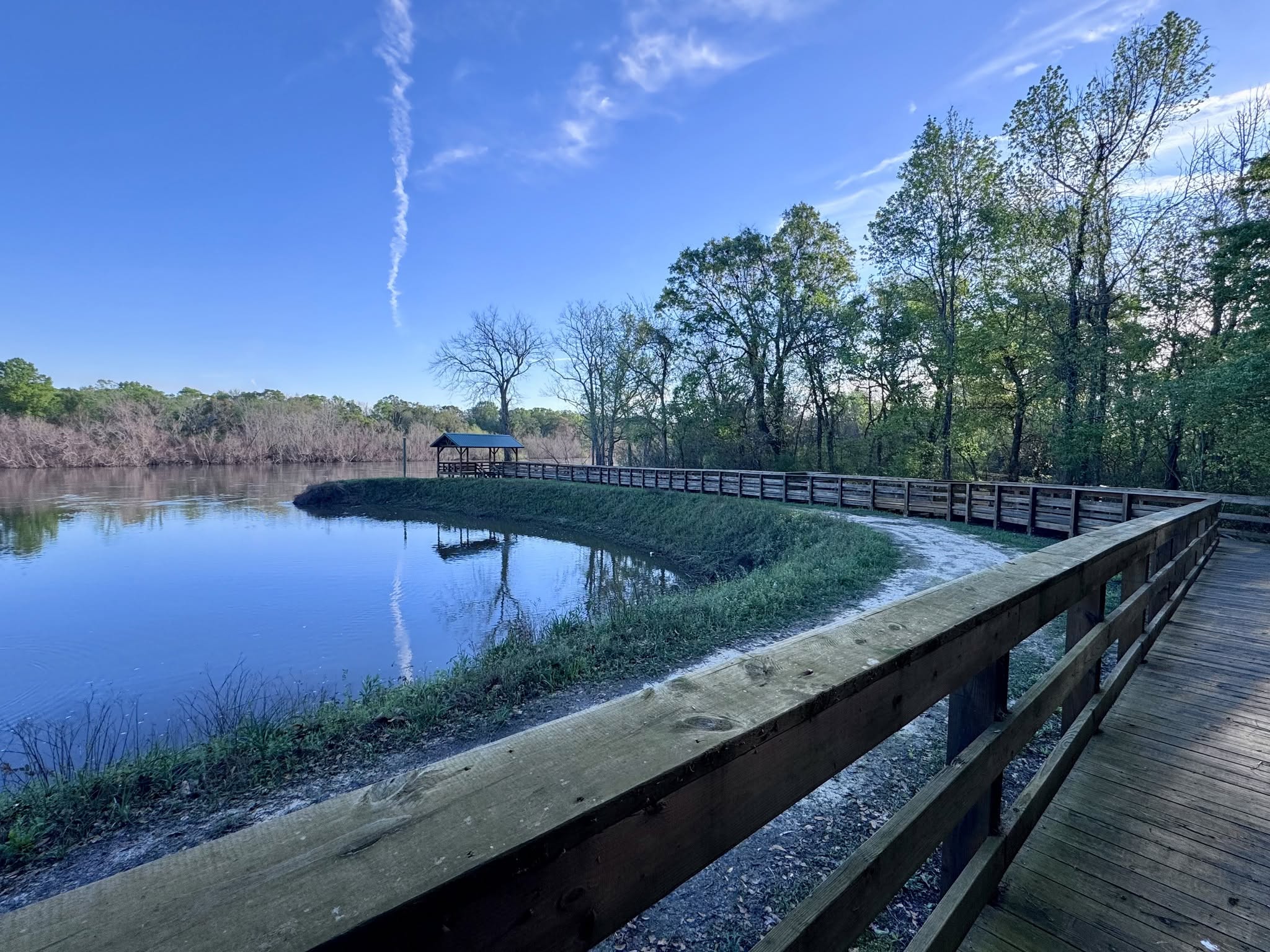
    Wayne County, GA park walk on the river.

    Market Update

    Buyer’s or Seller’s Market? A Wayne County Reality Check for 2026


    8–12 minutes

    Everyone wants to know which side of the table has the advantage right now. The honest answer in Wayne County and Southeast Georgia is more nuanced than a simple label — and understanding the real picture is worth more than any headline.

    “Is it a buyer’s market or a seller’s market?” It is one of the most common questions Heather gets — from people thinking about buying their first home in Jesup, from longtime Wayne County homeowners wondering if now is the right time to list, and from investors eyeing the Golden Isles. And while the question is simple, the answer requires a little more unpacking than most real estate headlines provide. 

    Here is the reality in mid-2026: the Georgia real estate market as a whole has shifted toward balance. Statewide, homes are selling at about 99% of asking price — meaning sellers are still holding their own, but buyers have regained meaningful negotiating power. Days on market have increased. Inventory is up. The frenzied multiple-offer environment of 2021 and 2022 has cooled considerably. But Southeast Georgia — and Wayne County in particular — tells its own story, separate from what is happening in Atlanta, Savannah, or the suburbs. Here is what you actually need to know.

    99%

    Sale-to-list ratio in Georgia

    59 days

    Avg days on market statewide

    9.2%

    Georgia median price increase

    What “Buyer’s Market” and “Seller’s Market” Actually Mean

    Before we talk about Wayne County specifically, it is worth making sure we are all speaking the same language. These terms get thrown around constantly, but their actual definitions matter. A seller’s market exists when demand outpaces supply. There are more buyers looking for homes than there are homes available. In that environment, sellers can price aggressively, receive multiple offers, and often sell above asking price with minimal concessions. Buyers have to move fast, waive contingencies, and compete. Think Georgia in 2021 and 2022.

    A buyer’s market is the opposite. Supply exceeds demand. There are more homes available than there are qualified buyers to purchase them. Prices soften, homes sit longer, and sellers have to negotiate. Buyers can take their time, ask for repairs, request closing cost contributions, and generally have the upper hand. A balanced market — where supply and demand are roughly equal — is the healthiest long-term condition for both sides. Neither party is desperate. Prices are fair. Negotiations are reasonable. Right now in Georgia broadly, we are edging toward balance with seller advantage still intact in most markets. But within that picture, Southeast Georgia has its own dynamics that are worth understanding community by community.

    Wayne County and Jesup — Still Favoring Sellers, But Calmer

    Wayne County has maintained seller’s market conditions through 2025 and into 2026, but the intensity has softened noticeably from the peak years. Here is what that means in practical terms for buyers and sellers right now. For buyers in Jesup and Wayne County, the good news is that the days of submitting offers sight unseen and waiving every inspection are largely behind us. You have time to look carefully. You can ask for a home inspection.

    In some cases, you can negotiate closing cost assistance or repairs — particularly on homes that have sat on the market for more than 30 days. Wayne County’s median home price remains well below Georgia’s statewide median of approximately $389,900, which means your purchasing power here goes significantly further than in most of the state. For sellers in Wayne County, the good news is equally real: well-priced, well-presented homes are still selling. The keyword is well-priced. The buyers who are active in this market are informed. They have done their research. Overpricing a home in this environment — hoping to capture a peak-market windfall — tends to result in the home sitting, price reductions, and ultimately less money than a realistic pricing strategy from day one would have produced. Heather’s approach to pricing is grounded in real comparable sales data, not wishful thinking. 

    “In Wayne County right now, the sellers who win are the ones who price right from day one. The buyers who win are the ones who come in prepared and pre-approved.”

    The local inventory picture matters too. Wayne County does not have an enormous volume of homes on the market at any given time. When a quality property hits the market at the right price — a move-in-ready three-bedroom in a good school zone, a piece of land with road frontage, a home with acreage — it still generates real interest and can move quickly. The difference from 2021 is that buyers are not panicking. They are evaluating. And sellers who understand that distinction tend to do very well.

    Brunswick, Golden Isles, and St. Simons — A Different Conversation 

    The coastal markets tell a somewhat different story from inland Wayne County, and it is worth separating them clearly because the dynamics are distinct. Brunswick has seen healthy price appreciation and relatively stable demand. It benefits from its proximity to the Golden Isles without carrying the premium price tag of St. Simons Island or Sea Island. For buyers looking at the Golden Isles area but working with a tighter budget, Brunswick continues to represent real value — and Heather has seen increasing interest from buyers relocating from larger Georgia cities who are discovering what Brunswick residents have known for years.

    St. Simons Island is arguably the most interesting market in the region right now. The surge of pandemic-era demand has leveled off, and the market has transitioned from a frenzied seller’s environment to something closer to balance — which actually creates opportunity for prepared buyers. Properties that would have received five offers in 48 hours in 2021 are now sitting for 30, 45, or 60 days. Sellers have adjusted their expectations. Negotiating is possible again in a way it simply was not two or three years ago.

    For investors specifically, the St. Simons and Golden Isles short-term rental market remains one of the strongest in Georgia. Coastal properties with Airbnb and VRBO income potential are a different calculation than a standard primary residence purchase — and that calculation still pencils out favorably for the right property at the right price point. The Golden Isles broadly remain a seller’s market by most metrics, but a calmer one. Heather monitors these markets daily and can give you a real-time read on any specific neighborhood, price range, or property type you are interested in. 

    What This Means If You Are Thinking About Selling

    If you own a home in Wayne County or along the Georgia coast and you have been thinking about selling — 2026 is still a strong time to do it. You are not selling at the absolute peak, but you are selling in a market where qualified buyers exist, prices are healthy, and a strategic approach to listing will produce a solid result. Here is what Heather recommends for sellers in the current environment:

    What Smart Sellers Are Doing Right Now

    • Price it right from day one. Overpriced homes are accumulating days on market and eventually selling for less than they would have at an accurate initial price. Your first two weeks on the market are your most powerful — do not waste them with a number the market will not support.
    • Present the home well. Buyers have options again. First impressions matter more than they did when inventory was scarce. Professional photography, a clean home, and a few strategic improvements go a long way in this environment.
    • Know your numbers. Understand your equity position, your net proceeds after closing costs and commissions, and where you are going next. Sellers who know their numbers negotiate from a position of strength.
    • Be ready to negotiate. Buyers are asking for things again — inspections, repairs, closing cost contributions, home warranties. Deciding in advance what you are and are not willing to concede makes negotiations faster and less stressful.
    • Time your listing strategically. Spring and early summer are traditionally the strongest selling seasons in South Georgia. But Heather can tell you specifically when activity picks up in your neighborhood and price range — it varies more than most people realize. 

    Heather provides every seller with a full Comparative Market Analysis — a real data-driven look at what comparable homes in your area have actually sold for recently, not what they were listed for. That distinction matters enormously in a market that is actively adjusting.

    What This Means If You Are Thinking About Buying

    For buyers, the current environment in Southeast Georgia is genuinely one of the better windows in the past several years. You have more options, more time to decide, and more negotiating room than you would have had in 2021 or 2022. That does not mean the market is soft or that deals are everywhere — but it does mean that a prepared, pre-approved buyer working with a knowledgeable local agent can find and secure a great property without the desperation of the peak years.

    What defines a prepared buyer in this market: You are pre-approved — not just pre-qualified — by a lender who understands the Southeast Georgia market. You know your budget and your monthly payment at today’s rates. You have a clear sense of what you need versus what you want. And you have a local agent who can tell you whether a property is priced fairly, what comparable homes have sold for, and what a reasonable offer looks like given how long the home has been on the market.

    That last point matters more than most buyers realize. A home that has been sitting for 45 days in this market is telling you something. A home that went under contract in five days and fell through is telling you something else. Reading those signals correctly requires local knowledge — and that is exactly what Heather brings to every buyer she works with.

    The Bottom Line for Southeast Georgia in 2026

    The Georgia real estate market has matured from the chaos of 2021. That is good news for everyone. Buyers have breathing room. Sellers still have equity and demand. The extremes have moderated, and the result is a market where thoughtful decisions tend to produce good outcomes on both sides. In Wayne County and Jesup, sellers still hold a modest advantage — but only if they price and present strategically.

    In the Golden Isles and St. Simons Island, buyers have recaptured meaningful negotiating power for the first time in years. In Brunswick, the value proposition remains strong for buyers seeking coastal access without the coastal price tag. No matter which side of the transaction you are on, the same principle applies: the more informed you are, the better you will do. Market conditions set the stage — but your preparation, your strategy, and your agent’s knowledge determine the actual outcome.

    Heather has watched this market through its highs, its frenzy, and its current settling. She knows what the data says, she knows what the streets in Jesup look like right now, and she knows what buyers are offering and what sellers are accepting across every price range she works in.

    If you want an honest read on where things stand in your specific situation — whether you are thinking about listing, buying, or just starting to pay attention — reach out. The conversation is always free, and it is always worth having.

    Heather Tyre, Realtor

    Written by

    Heather Tyre

    Heather is a licensed Realtor® with eXp Realty and founder of Heather Tyre Home and Land Group. Having lived in Wayne County since she was a teenager, she specializes in residential sales, new construction, investment properties, and short-term rentals across Jesup, Brunswick, and the Golden Isles.

    Want to Know Where You Stand in This Market?

  • Mortgage Rates in South Georgia: What Buyers Need to Know

    Market Update

    What Today’s Interest Rates Really Mean for Buyers in South Georgia


    7–11 minutes

    Interest rates are the number everyone watches — but almost nobody fully understands. Here is what they actually mean for your budget, your buying power, and your timing if you are thinking about a home in Wayne County or along the Georgia coast.

    If you have been following the news lately, you have probably heard a lot about interest rates — whether they are going up, coming down, or somewhere in between. And if you are thinking about buying a home in South Georgia, you are probably wondering what any of it means for you personally. The honest answer is: it depends. But the more useful answer is that understanding how rates work gives you a real advantage in this market, regardless of where rates land on any given day.

    As of late July 2026, the average 30-year fixed mortgage rate in Georgia is sitting around 6.63% to 6.87% depending on the lender, your credit profile, and your loan type. The 15-year fixed is closer to 6.00% to 6.14%. For context, rates hit historic lows near 3% during 2020 and 2021 — and we are not going back there anytime soon. But that does not mean now is a bad time to buy. It just means you need to go in with clear eyes and a solid strategy.

    6.63%

    Georgia 30-yr avg rate

    6.00%

    Georgia 15-yr avg rate

    5.875%

    Georgia Dream program rate

    How Interest Rates Actually Affect Your Monthly Payment

    This is where most buyers get tripped up. People hear “6.6 percent” and think it sounds high — but what does it actually cost you each month? Let’s make it real with numbers that apply to South Georgia home prices. The median home price in Wayne County is substantially lower than Georgia’s overall median, which gives local buyers a real advantage. If you are purchasing a home at $285,000 with 20% down, your loan amount is $228,000. At a 6.63% interest rate on a 30-year fixed mortgage, your principal and interest payment comes out to approximately $1,460 per month. Add in property taxes and homeowner’s insurance and you are looking at something in the $1,700 to $1,800 range for most Wayne County properties.

    Now compare that to someone buying a similar home on St. Simons Island at $549,000. With 20% down, a loan amount of $439,200 at the same rate produces a monthly payment closer to $2,810 before taxes and insurance. The coastal market carries a premium — which is exactly why Heather helps clients think carefully about which market fits their financial picture and their life goals. The key point: your monthly payment is not just about the rate. It is about the rate applied to your specific loan amount in your specific market. A knowledgeable local agent helps you see the full picture, not just the headline number. 

    The Rate vs. Price Debate — What Actually Saves You More Money?

    Here is a question Heather gets asked all the time: “Should I wait for rates to come down before I buy?” It is a fair question — and the honest answer is that waiting is a gamble. Here’s why. When rates were near 3% in 2020 and 2021, home prices in Southeast Georgia climbed sharply because every buyer in the country could suddenly afford more home. Demand surged, inventory dried up, and sellers held all the cards. The buyers who waited for prices to come down found themselves competing for fewer homes at even higher prices, just with a slightly lower rate. The same dynamic is likely to play out again. Every financial forecast currently points toward modest, gradual rate declines over the next 6 to 12 months — not a dramatic drop back to pandemic-era lows. When rates do fall even half a percent, buyer demand typically surges quickly. Prices follow. The window of relative calm you have right now — where you can negotiate, ask for concessions, and take your time — tends to close fast.

    “The best time to buy a home is when you are financially ready and you have found the right property. Waiting for the perfect rate usually means waiting for higher prices.”

    There is also a strategy that experienced buyers use called “date the rate, marry the house.” The idea is simple: buy the home you want now, at today’s prices, and refinance when rates improve. Your home and its equity belong to you permanently. Your interest rate can be renegotiated later. You cannot go back and buy yesterday’s price. This is especially relevant in a market like Wayne County, where quality inventory is limited. The right property — whether it is a three-bedroom in Jesup, a piece of land along the Altamaha, or a duplex at Palmetto Place — does not sit on the market forever. When it is gone, it is gone. 

    Loan Types That Can Lower Your Effective Rate Right Now

    One of the most overlooked pieces of the interest rate conversation is that the advertised rate is not the only rate available to you. Depending on your situation, there are loan programs that can put you in a meaningfully lower rate — sometimes a full point or more below the market average.

    Here are four worth knowing about in South Georgia:

    Rate-Reducing Loan Programs Available to South Georgia Buyers

    • Georgia Dream — The Georgia Department of Community Affairs offers a 30-year fixed rate program at 5.875% (as of late July 2026) for qualifying buyers, including down payment assistance. Income and purchase price limits apply.
    • VA Loans — If you are a veteran or active-duty service member, VA loans currently come in around 6.125% in Georgia — below the conventional rate — with no down payment requirement and no private mortgage insurance.
    • FHA Loans — FHA rates in Georgia are running around 6.375%, and they allow down payments as low as 3.5% with more flexible credit requirements. A solid option for first-time buyers.
    • USDA Rural Development — Much of Wayne County and surrounding areas qualify for USDA rural loans, which offer 0% down payment and competitive rates for eligible rural properties.
    • Adjustable-Rate Mortgages (ARMs) — A 5/7 ARM can offer a lower starting rate than a 30-year fixed. If you plan to sell or refinance within five to seven years, this could significantly reduce your total interest paid.

    Heather works closely with trusted local lenders who know these programs inside and out. Getting pre-approved — not just pre-qualified — before you start shopping is one of the most powerful things you can do in this market. It tells sellers you are serious, and it tells you exactly how much home you can afford at today’s rates.

    What Rates Mean for the Wayne County and Golden Isles Markets Specifically

    South Georgia is not a monolithic market. The rate environment hits each area differently, and understanding those nuances is where working with a local agent makes a real difference. In Wayne County and Jesup, home prices remain well below Georgia’s state median. That means even at today’s rates, buyers here have significantly more purchasing power than in Atlanta, Savannah, or along the coast. A $250,000 budget goes a lot further in Jesup than almost anywhere else in the state — and the community, the land, and the quality of life are second to none.

    In Brunswick and the Golden Isles, the market is more influenced by coastal demand, investor activity, and short-term rental potential. Prices are higher, but so is the opportunity — particularly for buyers looking at investment properties or second homes.

    Heather has deep experience in both markets, which means she can help you evaluate whether a Wayne County primary home, a coastal investment property, or both make sense for your financial situation. On St. Simons Island specifically, the rate environment has actually created a brief window of relative negotiating power for buyers. The surge of pandemic-era buyers has leveled off, sellers have adjusted their expectations, and there are properties available today that would have sold in days in 2021 and 2022. That window will not last indefinitely. 

    So — Is Now a Good Time to Buy in South Georgia?

    Heather’s honest answer: for the right buyer, yes. If you are financially stable, you have found or are actively looking for a property that fits your life, and you plan to stay for at least three to five years — the current rate environment should not stop you. You are buying in a market where prices are still reasonable compared to the rest of Georgia, where inventory gives you actual choices, and where a local agent can negotiate concessions and credits that effectively reduce your cost of buying.

    If you are not yet financially ready — if you need more time to build your credit, save your down payment, or stabilize your income — then rates are genuinely not the issue. Get the foundation right first. Heather will tell you that just as plainly. She would rather help you get ready than rush you into a purchase you are not prepared for.

    And if you are somewhere in between — you think you might be ready, but you are not sure — that is the exact conversation Heather is built for. She has helped first-time buyers in Jesup, relocating families from out of state, veterans using VA benefits, and investors building coastal portfolios. Every situation is different. Every answer starts with a real conversation.

    Interest rates are just a number. What they mean for you depends on your income, your goals, your timeline, and the specific property you are trying to buy. The only way to know what today’s rates mean for your situation is to actually run the numbers — and Heather is happy to do exactly that, with no pressure and no obligation. Give her a call or send a message. That is what she is here for.

    Heather Tyre, Realtor

    Written by

    Heather Tyre

    Heather is a licensed Realtor® with eXp Realty and founder of Heather Tyre Home and Land Group. Having lived in Wayne County since she was a teenager, she specializes in residential sales, new construction, investment properties, and short-term rentals across Jesup, Brunswick, and the Golden Isles.

    Ready to Run the Numbers on Your Budget?

Reset password

Enter your email address and we will send you a link to change your password.

Get started with your account

to save your favourite homes and more

Get started with your account

to save your favourite homes and more

By clicking the «SIGN UP» button you agree to the Terms of Use and Privacy Policy