Tag: Golden Isles

  • Why St. Simons Island Is One of Georgia’s Best Markets for Airbnb and VRBO Investors

    Buyer Tips

    Why St. Simons Island Is One of Georgia’s Best Markets for Airbnb and VRBO Investors


    9–14 minutes

    The Golden Isles were just named the number one Best U.S. Islands destination in the 2026 World’s Best Awards. For real estate investors paying attention, that is not just a travel headline — it is a signal.

    St. Simons Island has always been one of Georgia’s most beloved coastal destinations. Spanish moss, lighthouse views, East Beach, the Village pier — it is the kind of place that gets into people and does not let go. Visitors come once and plan their return before they have left the parking lot. That loyalty is not an accident. It is the product of a destination that delivers consistently — year after year, season after season — and it is exactly the kind of demand profile that makes a short-term rental investment work.

    Heather Tyre has lived and worked within driving distance of the Golden Isles her entire career. She knows which neighborhoods produce the strongest rental performance, which property types attract the guests who leave five-star reviews, and what it actually takes to buy and operate a short-term rental on the Georgia coast. This post is her honest assessment of the St. Simons Island market for Airbnb and VRBO investors — the numbers, the opportunity, the risks, and the practical steps to evaluate whether it belongs in your portfolio. 

    $446

    Average daily rate on St. Simons Island — well above Georgia’s $299 state avg

    $49,090

    Average annual Airbnb revenue per listing on St. Simons Island

    The Case for St. Simons Island as an Investment Market

    Let us start with the fundamentals. What makes a short-term rental market worth entering? Three things: consistent demand, pricing power, and a regulatory environment that allows the model to function. St. Simons Island checks all three. On demand, the Golden Isles are not a seasonal-only destination in the way that some beach markets are. The combination of mild winters, year-round outdoor activities, and the island’s reputation as a family and couples destination produces bookings across all twelve months. Peak season runs from Memorial Day through Labor Day, with a strong secondary surge around spring break and fall weekends. Even in the slower months of January and February, the island’s loyal visitor base — many of whom are return visitors from the Southeast — maintains baseline occupancy in ways that purely seasonal beach markets cannot.

    On pricing power, the numbers speak clearly. The average daily rate for short-term rentals on St. Simons Island sits at approximately $446 — a full 49% above Georgia’s statewide average daily rate of $299. Guests are willing to pay a meaningful premium for the Golden Isles experience, and that premium flows directly to owners’ bottom lines. Average annual revenue per listing runs approximately $49,090, with occupancy around 37% — above Georgia’s state benchmark of 32%.

    On regulation, St. Simons Island and Glynn County currently operate in a relatively permissive environment for short-term rentals. There is no current blanket prohibition on STR activity, no onerous permit requirements, and no statewide rent control. That said — and Heather will tell you this plainly — regulations evolve, and any investor entering this market should verify current county and municipal requirements before purchasing. HOA covenants can also restrict or prohibit short-term rentals in some planned communities, making deed and association document review essential prior to any offer.

    What Types of Properties Perform Best 

    Not every property on St. Simons Island will perform equally as a short-term rental. Location, property type, and the specific attributes of the home matter enormously — and this is precisely where local knowledge provides an advantage that no data dashboard fully replicates. Proximity to the water or the Village area is the single most powerful driver of nightly rate and occupancy on the island. Properties within walking distance of East Beach, the Village pier, or the lighthouse district command the highest average daily rates and book earliest.

    These are also the most competitive and highest-priced properties to acquire — which means your entry cost is higher and your underwriting needs to be more careful. Cottage-style single-family homes in the one-to-three bedroom range are among the strongest performers for new investors entering the market. They attract couples, small families, and friend groups — the core St. Simons visitor demographic. They are manageable to maintain, photograph well, and tend to accumulate the consistent positive reviews that drive future bookings on Airbnb and VRBO platforms.

    Larger homes in the four-to-six bedroom range can produce significantly higher total revenue — but they require higher occupancy to pencil out financially, are more expensive to furnish and maintain, and are more sensitive to seasonal demand swings. They are not wrong investments, but they require more sophisticated management and a larger capital reserve. 

    “On St. Simons, the right property in the right location with the right management can generate more annual income than many people’s full-time jobs. The wrong property in the wrong location does neither.”

    Condominiums and townhomes present a more complex picture. Some condo associations on St. Simons Island explicitly prohibit short-term rentals, or impose minimum lease terms of 30 or 90 days that effectively prevent Airbnb and VRBO operation. This is not universal — there are condo developments that permit STR activity — but it makes the due diligence process critical.

    Heather reviews association documents and governing restrictions as a standard part of her buyer representation for investor clients in this market.

    Understanding the Numbers Before You Buy

    A short-term rental investment requires a different financial analysis than a traditional long-term rental. The revenue potential is higher — but so are the operating costs, the management complexity, and the variability. Here is how to think through the numbers correctly. Your gross revenue projection should be based on realistic current market data for comparable properties — not the top-performing listings on Airbnb’s public results page, which represent the best outcomes, not the average.

    Data from platforms like AirDNA, Rabbu, and AirROI provides market-level averages that give a more honest baseline. For St. Simons Island, a conservatively underwritten property in a good location might generate $35,000 to $50,000 in annual gross revenue. High-performing properties in premier locations can exceed this meaningfully. From your gross revenue, short-term rental operating costs are significantly higher than long-term rental expenses. Platform fees — Airbnb and VRBO both charge between 3% and 5% of each booking — come off the top. Professional property management for a short-term rental typically runs 20% to 30% of gross revenue, considerably higher than the 8% to 10% typical of long-term rentals. This reflects the much higher turnover, cleaning requirements, guest communication, and coordination involved.

    Furnishing and setup costs for a short-term rental are a one-time but significant investment — typically $15,000 to $40,000 depending on property size and the quality of furnishings you choose to offer. Guests on St. Simons Island expect a certain level of quality and amenity, and the properties that deliver on that expectation earn better reviews and command higher rates.

    The Real Cost Categories for a St. Simons Island Short-Term Rental

    • Mortgage, taxes, and insurance — your baseline carrying costs. Budget insurance carefully; coastal Georgia properties carry higher premiums due to wind and flood risk.
    • Platform fees — 3–5% of each booking to Airbnb or VRBO. This comes off gross revenue before you see it.
    • Property management — 20–30% of gross revenue for full-service STR management. Worth every dollar if you are not local. 
    • Cleaning fees — charged to guests but your responsibility to arrange. Budget $100–$175 per turnover for a 2-3 bedroom home. 
    • Furnishing and supplies — one-time setup of $15,000–$40,000 plus ongoing replacement of linens, kitchen items, and wear items annually. 
    • Maintenance and reserves — coastal properties require more frequent exterior maintenance. Budget 1.5–2% of the purchase price annually. 
    • Georgia state and local taxes — Georgia imposes sales tax, and Glynn County levies its own hotel-motel tax on short-term rental revenue. Platforms collect and remit some of these, but confirm what remains your responsibility.

    How to Finance a Short-Term Rental on St. Simons Island

    Financing a short-term rental property has specific nuances that differ from both primary home financing and traditional investment property financing — and understanding them before you start making offers will save you significant frustration. Conventional investment property loans require a minimum 20% down payment and will underwrite based on your personal income and existing debt obligations.

    At St. Simons Island’s price points — where quality investment properties start in the $450,000 to $600,000 range and go well above — that means a minimum down payment of $90,000 to $120,000, with current investment property rates in the 7.0% to 7.5% range. DSCR loans — Debt Service Coverage Ratio loans — have become one of the most popular financing tools for STR investors, and for good reason. Rather than qualifying based on your personal income, DSCR loans qualify based on the property’s projected or actual rental income relative to the mortgage payment.

    For a property that can document strong rental revenue, this opens the door for investors who are self-employed, who have significant existing investment portfolios, or who have exhausted their conventional loan count. Some investors use a second home loan — which requires the property to be used personally for a minimum number of days per year — and these carry more favorable rates than pure investment property loans. The tradeoff is the occupancy requirement and the restrictions on how the property can be rented when you are not using it.

    Heather can connect you with lenders who specialize in coastal Georgia STR financing and who understand the nuances of each loan type.

    What the 2026 Market Looks Like for Buyers

    Here is the honest picture of the current acquisition environment on St. Simons Island for investors. The frenzied competition of 2021 and 2022 has moderated. Properties are sitting longer before going under contract — the days of five offers in 48 hours are largely gone. Sellers have adjusted their expectations from peak pricing, and meaningful negotiation is possible again in a way it was not two to three years ago.

    For prepared, well-financed buyers, this is genuinely one of the better entry windows the St. Simons Island market has offered in several years. At the same time, the best properties in the best locations still move. A well-priced cottage within walking distance of East Beach or the Village does not sit for 60 days in this market. The improvement in negotiating conditions is real, but it requires preparation — pre-approval in hand, clear investment criteria, and an agent who knows the market and can move quickly when the right opportunity appears.

    Georgia as a whole has broken tourism records for two consecutive years, and the Golden Isles specifically have been named the number one Best U.S. Islands destination in the 2026 World’s Best Awards. That recognition drives awareness, drives bookings, and supports the long-term demand case for STR investment in this market. It is difficult to make the case that St. Simons Island is a destination at risk of losing its appeal.

    Is a St. Simons Island Short-Term Rental Right for You?

    Short-term rental investing on St. Simons Island is not a passive income strategy — at least not at the beginning. It requires thoughtful property selection, careful financial underwriting, quality setup and furnishing, professional management (or a significant personal time investment), and ongoing attention to guest experience, reviews, and pricing optimization. Done well, it can produce returns that meaningfully exceed what a comparable investment in almost any other Georgia market would generate. Done carelessly, it is an expensive lesson.

    The investors Heather has watched succeed in this market share a few common traits. They do their homework before they buy — running real numbers on real properties, not best-case projections. They treat it as a business from day one — with professional photography, quality furnishings, and responsive guest communication. They plan for the slow months, not just the peak season. And they buy properties in locations where guest demand is genuine, not speculative.

    Heather knows which streets produce bookings, which property types attract repeat guests, and which deals look attractive on paper but do not pencil out when you run the actual numbers. If you are thinking about a short-term rental investment on the Georgia coast — whether you are a first-time STR investor or you are adding a coastal property to an existing portfolio — start with a conversation.

    Heather is ready to walk through the numbers with you, share what she knows about the current inventory, and help you evaluate whether this market makes sense for your specific situation and goals. Give her a call. 

    Heather Tyre, Realtor

    Written by

    Heather Tyre

    Heather is a licensed Realtor® with eXp Realty and founder of Heather Tyre Home and Land Group. Having lived in Wayne County since she was a teenager, she specializes in residential sales, new construction, investment properties, and short-term rentals across Jesup, Brunswick, and the Golden Isles.

    Interested in a Coastal Investment Property?

  • How to Start (or Grow) a Real Estate Portfolio in Southeast Georgia

    Buyer Tips

    How to Start (or Grow) a Real Estate Portfolio in Southeast Georgia


    9–14 minutes

    Real estate is one of the most reliable wealth-building tools available to everyday people — not just institutions and developers. And Southeast Georgia, with its affordable entry points, landlord-friendly laws, and coastal upside, is one of the better places in the country to put that tool to work.

    Heather Tyre did not start out as a developer. She started out as a neighbor — someone who knows Wayne County, who cares about Jesup, and who understands the Georgia coast the way only a local can. But over her time in real estate, she has helped a growing number of clients build something more than a home. She has helped them build a portfolio — a collection of properties that generate income, appreciate over time, and create the kind of financial foundation that a paycheck alone rarely does. 

    This post is for anyone who has thought about real estate investment but does not know where to start. It is also for experienced investors who are wondering whether Southeast Georgia belongs in their strategy. The short answer: for the right investor, it absolutely does. Here is the longer answer — and the practical steps to get moving.

    7.0%

    Georgia’s gross rental yield — among the highest in the Southeast

    3.5%

    Georgia unemployment rate — lowest in this comparison group

    $0 

    Statewide rent control — Georgia has none

    Why Southeast Georgia Makes Sense for Real Estate Investors

    Before you look at a single property, it helps to understand why Georgia — and Southeast Georgia specifically — is attracting serious real estate investors right now. At the state level, Georgia offers one of the strongest gross rental yield profiles in the Southeast at 7.0%, according to current market data. The state has no statewide rent control, a landlord-friendly legal environment, and a relatively fast eviction process when it is needed — typically 45 to 60 days — which is meaningfully faster than many other states.

    Georgia’s unemployment rate sits at approximately 3.5%, and the diverse employment base — healthcare, logistics, agriculture, military, and coastal tourism — supports a stable tenant pool across the region. Within Southeast Georgia specifically, the investment case is built on a few distinct advantages. Property prices in Wayne County remain significantly below Georgia’s statewide median, meaning your entry cost is lower and your potential cash-on-cash return is higher.

    The Golden Isles coastal market offers short-term rental upside that few inland markets can match. And the region sits at the intersection of I-95 and Highway 84 — a logistics and distribution corridor that has quietly brought steady employment growth to the area. Georgia has also consistently ranked among the top five states in the nation for overnight visitation for five consecutive years. That matters for investors thinking about the coastal short-term rental market. Tourism is not a trend here — it is a permanent and growing economic engine.

    The Four Investment Strategies That Work in This Market

    Not all real estate investment strategies work equally well in every market. Here is how the most common approaches map onto Southeast Georgia’s specific conditions. The first strategy is the long-term rental — sometimes called buy and hold. You purchase a property, find a tenant, and collect monthly rent while the property appreciates over time. In Wayne County and Jesup, where home prices remain affordable relative to monthly rental demand, this strategy can produce positive cash flow from day one when purchased and financed correctly. This is the foundation of most investment portfolios and the best starting point for first-time investors.

    The second strategy is the short-term rental — Airbnb and VRBO properties targeting tourists and travelers. The Golden Isles and St. Simons Island coastal market is one of Georgia’s strongest performers for this approach, with year-round demand driven by the beach, the historic sites, and the coastal lifestyle. Heather has specific expertise in identifying properties with short-term rental potential — she knows which neighborhoods, property types, and price points work, and which ones look attractive on paper but struggle to perform.

    The third strategy is the BRRRR method — Buy, Rehab, Rent, Refinance, Repeat. This approach involves purchasing a distressed or undervalued property, renovating it to increase its value, renting it out, and then refinancing to pull out equity — which you use to fund your next purchase. Wayne County has inventory that suits this strategy, and Heather knows which properties are genuinely undervalued versus which ones are cheap for good reason.

    The fourth strategy is land. Southeast Georgia has significant land inventory — agricultural parcels, timber tracts, waterfront acreage — and land investment carries its own logic. It requires no maintenance, no tenants, and no ongoing management. It does require patience and a clear exit strategy. Heather’s roots in Wayne County give her specific knowledge of land values, zoning, and development potential that most agents simply do not have.

    “The best investment strategy is the one you can actually execute — and sustain. Start with what you understand, in a market you know, at a price point that lets you sleep at night.”

    Most successful portfolio builders start with one property — typically a long-term rental — learn the fundamentals of land-lording, and expand from there. The investors Heather has watched build real wealth are not the ones who went big immediately. They are the ones who went intentionally, one well-chosen property at a time.

    The Numbers That Matter Before You Buy

    Real estate investment is a business, and businesses run on numbers. Before you make any offer on an investment property, you need to understand a handful of metrics that will tell you whether a property is worth buying or worth passing on. Cash flow is the monthly income a property generates after all expenses are paid — mortgage, taxes, insurance, property management, maintenance reserves, and vacancy allowance. Positive cash flow means the property puts money in your pocket every month. Negative cash flow means you are subsidizing the property.

    Many investors accept modest negative cash flow in high-appreciation markets, but in Southeast Georgia, positive cash flow is achievable and should be your baseline standard. Cash-on-cash return measures the annual cash flow you receive relative to the cash you invested — your down payment plus closing costs and any renovation expenses. A 6% to 8% cash-on-cash return is considered solid in most markets. In Wayne County, where purchase prices are low, hitting those numbers is more achievable than in higher-cost Georgia markets.

    The cap rate — capitalization rate — measures the property’s income potential independent of financing. It is calculated by dividing the annual net operating income by the purchase price. Cap rates in Southeast Georgia vary by property type and location, but understanding where a specific property’s cap rate sits relative to the local market tells you whether it is priced fairly for an investor. Gross rent multiplier is a quick screening tool: divide the purchase price by the annual gross rent. A lower number generally indicates better value. It is not a comprehensive analysis tool, but it is useful for quickly comparing multiple properties before you dig into the detailed numbers. 

    Before You Make an Offer on an Investment Property, Know These Numbers

    • Monthly gross rent — What comparable rentals in the area are actually leasing for right now (not what you hope to charge). 
    • Monthly expenses — Mortgage payment (PITI), property management fee (typically 8–10% of rent), maintenance reserve (1% of purchase price annually), and vacancy allowance (5–8%).
    • Monthly net cash flow — Gross rent minus all monthly expenses. This is your actual monthly return.
    • Cash-on-cash return — Annual net cash flow divided by total cash invested. Target 6% or better in this market.
    • Exit strategy — How will you eventually sell or refinance this property? Every investment needs an exit, not just an entry.

    Financing an Investment Property — What Is Different From a Primary Home

    Financing an investment property works differently from financing a home you plan to live in, and the differences matter to your returns. Conventional investment property loans typically require a minimum 20% down payment for a single-family rental, and 25% for a multifamily property of two to four units. Your interest rate will generally be 0.5% to 0.75% higher than a comparable owner-occupied rate — which is currently putting most Georgia investment property rates in the 7.0% to 7.5% range depending on your credit and loan structure.

    Debt Service Coverage Ratio loans — often called DSCR loans — are increasingly popular among investors who own multiple properties or whose traditional income documentation does not align well with conventional underwriting. DSCR loans qualify you based on the property’s income potential rather than your personal income. If the property’s projected rent covers the mortgage payment at the required ratio, you qualify. For investors who are self-employed, retired, or who have maxed out their conventional loan count, DSCR financing opens doors that would otherwise be closed. For investors looking at two-to-four unit properties — duplexes, triplexes, and fourplexes — there is a meaningful financing advantage if you plan to live in one unit.

    Owner-occupied multifamily properties qualify for conventional financing with as little as 3.5% down under FHA guidelines, and the rental income from the other units can be counted toward your qualifying income. This is one of the most powerful entry-level investment strategies available, and Palmetto Place — a custom duplex development in Jesup being sold by Heather — is built with exactly this kind of buyer-investor in mind. 

    Building a Portfolio Over Time — The Practical Path

    Most successful real estate portfolios are not built in a single transaction. They are built one property at a time, with each purchase informed by the lessons of the last. Here is the realistic path that Heather has watched work for investors across Southeast Georgia.

    Year one: buy one well-chosen rental property in Wayne County or the surrounding area. Focus on cash flow. Learn the fundamentals of being a landlord — or engage a property manager from day one if you prefer a more hands-off approach. Stabilize the property, understand your actual numbers, and resist the urge to buy again until you have a real read on how the first property performs.

    Years two to three: once the first property is stable and you understand the rhythm of the investment, evaluate the equity you have built and the cash reserves you have accumulated. Is there an opportunity to refinance and pull out capital for a second purchase? Is there a distressed property nearby that fits the BRRRR model? Is the short-term rental market on the coast calling your attention?

    Year three and beyond: as your portfolio grows, so does your sophistication. You understand market cycles better. You know your numbers. You have relationships with lenders who understand investors, contractors you can trust, and a local agent who knows what is coming to market before it hits the MLS.

    That last point matters more than most investors realize. In a market like Wayne County, where the volume of quality investment properties hitting the MLS at any given time is limited, relationships are the competitive advantage. Heather’s relationships in this community — with estate attorneys, with out-of-area owners looking to sell, with other agents — mean her investor clients often know about opportunities before they are publicly listed.

    Is Real Estate Investment Right for You?

    Real estate investment is not the right move for everyone, and Heather will tell you that plainly. It requires capital, patience, a tolerance for the occasional difficult tenant or unexpected repair bill, and a long enough time horizon to let appreciation and equity work in your favor. It is not a get-rich-quick strategy. It is a get-wealthy-slowly strategy — one that has worked for generations of ordinary people who simply had the discipline to start, the patience to hold, and the wisdom to buy in the right place.

    Southeast Georgia offers the right place — affordable entry points, genuine rental demand, a landlord-friendly legal environment, and the coastal upside of the Golden Isles sitting right at the edge of the region. It is a market that rewards local knowledge and penalizes guesswork. And it is a market that Heather knows at the street level, the neighborhood level, and the county level. 

    If you have been thinking about real estate investment — your first property or your fifth — the conversation starts the same way: with an honest look at what you want to accomplish, what capital you have to work with, and what the right first step looks like for your specific situation.

    Heather has had that conversation with first-time investors in Jesup and seasoned portfolio builders eyeing coastal acquisitions. She is ready to have it with you too. Reach out and let’s talk. 

    Heather Tyre, Realtor

    Written by

    Heather Tyre

    Heather is a licensed Realtor® with eXp Realty and founder of Heather Tyre Home and Land Group. Having lived in Wayne County since she was a teenager, she specializes in residential sales, new construction, investment properties, and short-term rentals across Jesup, Brunswick, and the Golden Isles.

    Ready to Talk Investment Strategy?

  • Wayne County Real Estate Market: Buyer’s or Seller’s 2026

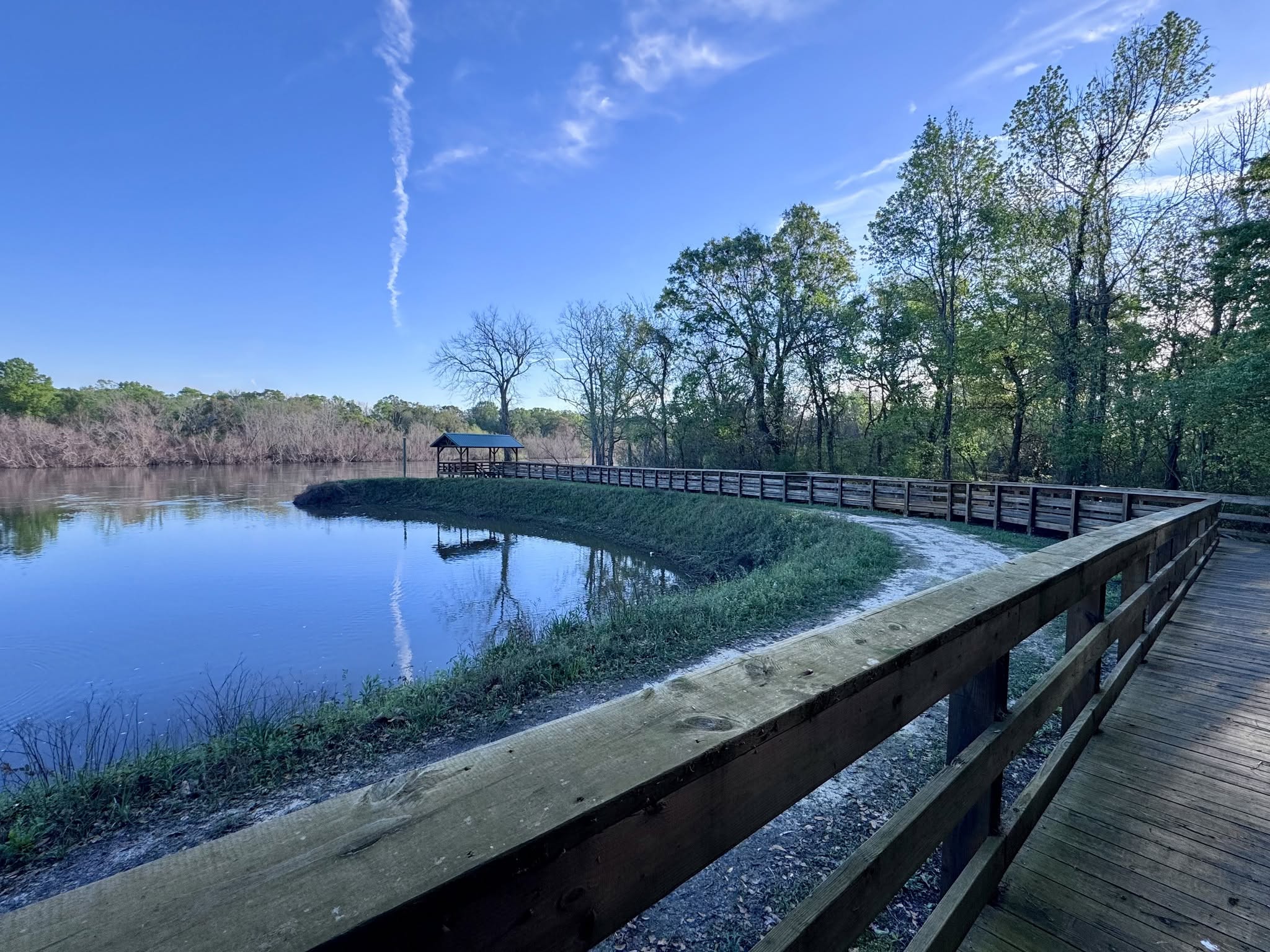
    Wayne County, GA park walk on the river.

    Market Update

    Buyer’s or Seller’s Market? A Wayne County Reality Check for 2026


    8–12 minutes

    Everyone wants to know which side of the table has the advantage right now. The honest answer in Wayne County and Southeast Georgia is more nuanced than a simple label — and understanding the real picture is worth more than any headline.

    “Is it a buyer’s market or a seller’s market?” It is one of the most common questions Heather gets — from people thinking about buying their first home in Jesup, from longtime Wayne County homeowners wondering if now is the right time to list, and from investors eyeing the Golden Isles. And while the question is simple, the answer requires a little more unpacking than most real estate headlines provide. 

    Here is the reality in mid-2026: the Georgia real estate market as a whole has shifted toward balance. Statewide, homes are selling at about 99% of asking price — meaning sellers are still holding their own, but buyers have regained meaningful negotiating power. Days on market have increased. Inventory is up. The frenzied multiple-offer environment of 2021 and 2022 has cooled considerably. But Southeast Georgia — and Wayne County in particular — tells its own story, separate from what is happening in Atlanta, Savannah, or the suburbs. Here is what you actually need to know.

    99%

    Sale-to-list ratio in Georgia

    59 days

    Avg days on market statewide

    9.2%

    Georgia median price increase

    What “Buyer’s Market” and “Seller’s Market” Actually Mean

    Before we talk about Wayne County specifically, it is worth making sure we are all speaking the same language. These terms get thrown around constantly, but their actual definitions matter. A seller’s market exists when demand outpaces supply. There are more buyers looking for homes than there are homes available. In that environment, sellers can price aggressively, receive multiple offers, and often sell above asking price with minimal concessions. Buyers have to move fast, waive contingencies, and compete. Think Georgia in 2021 and 2022.

    A buyer’s market is the opposite. Supply exceeds demand. There are more homes available than there are qualified buyers to purchase them. Prices soften, homes sit longer, and sellers have to negotiate. Buyers can take their time, ask for repairs, request closing cost contributions, and generally have the upper hand. A balanced market — where supply and demand are roughly equal — is the healthiest long-term condition for both sides. Neither party is desperate. Prices are fair. Negotiations are reasonable. Right now in Georgia broadly, we are edging toward balance with seller advantage still intact in most markets. But within that picture, Southeast Georgia has its own dynamics that are worth understanding community by community.

    Wayne County and Jesup — Still Favoring Sellers, But Calmer

    Wayne County has maintained seller’s market conditions through 2025 and into 2026, but the intensity has softened noticeably from the peak years. Here is what that means in practical terms for buyers and sellers right now. For buyers in Jesup and Wayne County, the good news is that the days of submitting offers sight unseen and waiving every inspection are largely behind us. You have time to look carefully. You can ask for a home inspection.

    In some cases, you can negotiate closing cost assistance or repairs — particularly on homes that have sat on the market for more than 30 days. Wayne County’s median home price remains well below Georgia’s statewide median of approximately $389,900, which means your purchasing power here goes significantly further than in most of the state. For sellers in Wayne County, the good news is equally real: well-priced, well-presented homes are still selling. The keyword is well-priced. The buyers who are active in this market are informed. They have done their research. Overpricing a home in this environment — hoping to capture a peak-market windfall — tends to result in the home sitting, price reductions, and ultimately less money than a realistic pricing strategy from day one would have produced. Heather’s approach to pricing is grounded in real comparable sales data, not wishful thinking. 

    “In Wayne County right now, the sellers who win are the ones who price right from day one. The buyers who win are the ones who come in prepared and pre-approved.”

    The local inventory picture matters too. Wayne County does not have an enormous volume of homes on the market at any given time. When a quality property hits the market at the right price — a move-in-ready three-bedroom in a good school zone, a piece of land with road frontage, a home with acreage — it still generates real interest and can move quickly. The difference from 2021 is that buyers are not panicking. They are evaluating. And sellers who understand that distinction tend to do very well.

    Brunswick, Golden Isles, and St. Simons — A Different Conversation 

    The coastal markets tell a somewhat different story from inland Wayne County, and it is worth separating them clearly because the dynamics are distinct. Brunswick has seen healthy price appreciation and relatively stable demand. It benefits from its proximity to the Golden Isles without carrying the premium price tag of St. Simons Island or Sea Island. For buyers looking at the Golden Isles area but working with a tighter budget, Brunswick continues to represent real value — and Heather has seen increasing interest from buyers relocating from larger Georgia cities who are discovering what Brunswick residents have known for years.

    St. Simons Island is arguably the most interesting market in the region right now. The surge of pandemic-era demand has leveled off, and the market has transitioned from a frenzied seller’s environment to something closer to balance — which actually creates opportunity for prepared buyers. Properties that would have received five offers in 48 hours in 2021 are now sitting for 30, 45, or 60 days. Sellers have adjusted their expectations. Negotiating is possible again in a way it simply was not two or three years ago.

    For investors specifically, the St. Simons and Golden Isles short-term rental market remains one of the strongest in Georgia. Coastal properties with Airbnb and VRBO income potential are a different calculation than a standard primary residence purchase — and that calculation still pencils out favorably for the right property at the right price point. The Golden Isles broadly remain a seller’s market by most metrics, but a calmer one. Heather monitors these markets daily and can give you a real-time read on any specific neighborhood, price range, or property type you are interested in. 

    What This Means If You Are Thinking About Selling

    If you own a home in Wayne County or along the Georgia coast and you have been thinking about selling — 2026 is still a strong time to do it. You are not selling at the absolute peak, but you are selling in a market where qualified buyers exist, prices are healthy, and a strategic approach to listing will produce a solid result. Here is what Heather recommends for sellers in the current environment:

    What Smart Sellers Are Doing Right Now

    • Price it right from day one. Overpriced homes are accumulating days on market and eventually selling for less than they would have at an accurate initial price. Your first two weeks on the market are your most powerful — do not waste them with a number the market will not support.
    • Present the home well. Buyers have options again. First impressions matter more than they did when inventory was scarce. Professional photography, a clean home, and a few strategic improvements go a long way in this environment.
    • Know your numbers. Understand your equity position, your net proceeds after closing costs and commissions, and where you are going next. Sellers who know their numbers negotiate from a position of strength.
    • Be ready to negotiate. Buyers are asking for things again — inspections, repairs, closing cost contributions, home warranties. Deciding in advance what you are and are not willing to concede makes negotiations faster and less stressful.
    • Time your listing strategically. Spring and early summer are traditionally the strongest selling seasons in South Georgia. But Heather can tell you specifically when activity picks up in your neighborhood and price range — it varies more than most people realize. 

    Heather provides every seller with a full Comparative Market Analysis — a real data-driven look at what comparable homes in your area have actually sold for recently, not what they were listed for. That distinction matters enormously in a market that is actively adjusting.

    What This Means If You Are Thinking About Buying

    For buyers, the current environment in Southeast Georgia is genuinely one of the better windows in the past several years. You have more options, more time to decide, and more negotiating room than you would have had in 2021 or 2022. That does not mean the market is soft or that deals are everywhere — but it does mean that a prepared, pre-approved buyer working with a knowledgeable local agent can find and secure a great property without the desperation of the peak years.

    What defines a prepared buyer in this market: You are pre-approved — not just pre-qualified — by a lender who understands the Southeast Georgia market. You know your budget and your monthly payment at today’s rates. You have a clear sense of what you need versus what you want. And you have a local agent who can tell you whether a property is priced fairly, what comparable homes have sold for, and what a reasonable offer looks like given how long the home has been on the market.

    That last point matters more than most buyers realize. A home that has been sitting for 45 days in this market is telling you something. A home that went under contract in five days and fell through is telling you something else. Reading those signals correctly requires local knowledge — and that is exactly what Heather brings to every buyer she works with.

    The Bottom Line for Southeast Georgia in 2026

    The Georgia real estate market has matured from the chaos of 2021. That is good news for everyone. Buyers have breathing room. Sellers still have equity and demand. The extremes have moderated, and the result is a market where thoughtful decisions tend to produce good outcomes on both sides. In Wayne County and Jesup, sellers still hold a modest advantage — but only if they price and present strategically.

    In the Golden Isles and St. Simons Island, buyers have recaptured meaningful negotiating power for the first time in years. In Brunswick, the value proposition remains strong for buyers seeking coastal access without the coastal price tag. No matter which side of the transaction you are on, the same principle applies: the more informed you are, the better you will do. Market conditions set the stage — but your preparation, your strategy, and your agent’s knowledge determine the actual outcome.

    Heather has watched this market through its highs, its frenzy, and its current settling. She knows what the data says, she knows what the streets in Jesup look like right now, and she knows what buyers are offering and what sellers are accepting across every price range she works in.

    If you want an honest read on where things stand in your specific situation — whether you are thinking about listing, buying, or just starting to pay attention — reach out. The conversation is always free, and it is always worth having.

    Heather Tyre, Realtor

    Written by

    Heather Tyre

    Heather is a licensed Realtor® with eXp Realty and founder of Heather Tyre Home and Land Group. Having lived in Wayne County since she was a teenager, she specializes in residential sales, new construction, investment properties, and short-term rentals across Jesup, Brunswick, and the Golden Isles.

    Want to Know Where You Stand in This Market?

  • Mortgage Rates in South Georgia: What Buyers Need to Know

    Market Update

    What Today’s Interest Rates Really Mean for Buyers in South Georgia


    7–11 minutes

    Interest rates are the number everyone watches — but almost nobody fully understands. Here is what they actually mean for your budget, your buying power, and your timing if you are thinking about a home in Wayne County or along the Georgia coast.

    If you have been following the news lately, you have probably heard a lot about interest rates — whether they are going up, coming down, or somewhere in between. And if you are thinking about buying a home in South Georgia, you are probably wondering what any of it means for you personally. The honest answer is: it depends. But the more useful answer is that understanding how rates work gives you a real advantage in this market, regardless of where rates land on any given day.

    As of late July 2026, the average 30-year fixed mortgage rate in Georgia is sitting around 6.63% to 6.87% depending on the lender, your credit profile, and your loan type. The 15-year fixed is closer to 6.00% to 6.14%. For context, rates hit historic lows near 3% during 2020 and 2021 — and we are not going back there anytime soon. But that does not mean now is a bad time to buy. It just means you need to go in with clear eyes and a solid strategy.

    6.63%

    Georgia 30-yr avg rate

    6.00%

    Georgia 15-yr avg rate

    5.875%

    Georgia Dream program rate

    How Interest Rates Actually Affect Your Monthly Payment

    This is where most buyers get tripped up. People hear “6.6 percent” and think it sounds high — but what does it actually cost you each month? Let’s make it real with numbers that apply to South Georgia home prices. The median home price in Wayne County is substantially lower than Georgia’s overall median, which gives local buyers a real advantage. If you are purchasing a home at $285,000 with 20% down, your loan amount is $228,000. At a 6.63% interest rate on a 30-year fixed mortgage, your principal and interest payment comes out to approximately $1,460 per month. Add in property taxes and homeowner’s insurance and you are looking at something in the $1,700 to $1,800 range for most Wayne County properties.

    Now compare that to someone buying a similar home on St. Simons Island at $549,000. With 20% down, a loan amount of $439,200 at the same rate produces a monthly payment closer to $2,810 before taxes and insurance. The coastal market carries a premium — which is exactly why Heather helps clients think carefully about which market fits their financial picture and their life goals. The key point: your monthly payment is not just about the rate. It is about the rate applied to your specific loan amount in your specific market. A knowledgeable local agent helps you see the full picture, not just the headline number. 

    The Rate vs. Price Debate — What Actually Saves You More Money?

    Here is a question Heather gets asked all the time: “Should I wait for rates to come down before I buy?” It is a fair question — and the honest answer is that waiting is a gamble. Here’s why. When rates were near 3% in 2020 and 2021, home prices in Southeast Georgia climbed sharply because every buyer in the country could suddenly afford more home. Demand surged, inventory dried up, and sellers held all the cards. The buyers who waited for prices to come down found themselves competing for fewer homes at even higher prices, just with a slightly lower rate. The same dynamic is likely to play out again. Every financial forecast currently points toward modest, gradual rate declines over the next 6 to 12 months — not a dramatic drop back to pandemic-era lows. When rates do fall even half a percent, buyer demand typically surges quickly. Prices follow. The window of relative calm you have right now — where you can negotiate, ask for concessions, and take your time — tends to close fast.

    “The best time to buy a home is when you are financially ready and you have found the right property. Waiting for the perfect rate usually means waiting for higher prices.”

    There is also a strategy that experienced buyers use called “date the rate, marry the house.” The idea is simple: buy the home you want now, at today’s prices, and refinance when rates improve. Your home and its equity belong to you permanently. Your interest rate can be renegotiated later. You cannot go back and buy yesterday’s price. This is especially relevant in a market like Wayne County, where quality inventory is limited. The right property — whether it is a three-bedroom in Jesup, a piece of land along the Altamaha, or a duplex at Palmetto Place — does not sit on the market forever. When it is gone, it is gone. 

    Loan Types That Can Lower Your Effective Rate Right Now

    One of the most overlooked pieces of the interest rate conversation is that the advertised rate is not the only rate available to you. Depending on your situation, there are loan programs that can put you in a meaningfully lower rate — sometimes a full point or more below the market average.

    Here are four worth knowing about in South Georgia:

    Rate-Reducing Loan Programs Available to South Georgia Buyers

    • Georgia Dream — The Georgia Department of Community Affairs offers a 30-year fixed rate program at 5.875% (as of late July 2026) for qualifying buyers, including down payment assistance. Income and purchase price limits apply.
    • VA Loans — If you are a veteran or active-duty service member, VA loans currently come in around 6.125% in Georgia — below the conventional rate — with no down payment requirement and no private mortgage insurance.
    • FHA Loans — FHA rates in Georgia are running around 6.375%, and they allow down payments as low as 3.5% with more flexible credit requirements. A solid option for first-time buyers.
    • USDA Rural Development — Much of Wayne County and surrounding areas qualify for USDA rural loans, which offer 0% down payment and competitive rates for eligible rural properties.
    • Adjustable-Rate Mortgages (ARMs) — A 5/7 ARM can offer a lower starting rate than a 30-year fixed. If you plan to sell or refinance within five to seven years, this could significantly reduce your total interest paid.

    Heather works closely with trusted local lenders who know these programs inside and out. Getting pre-approved — not just pre-qualified — before you start shopping is one of the most powerful things you can do in this market. It tells sellers you are serious, and it tells you exactly how much home you can afford at today’s rates.

    What Rates Mean for the Wayne County and Golden Isles Markets Specifically

    South Georgia is not a monolithic market. The rate environment hits each area differently, and understanding those nuances is where working with a local agent makes a real difference. In Wayne County and Jesup, home prices remain well below Georgia’s state median. That means even at today’s rates, buyers here have significantly more purchasing power than in Atlanta, Savannah, or along the coast. A $250,000 budget goes a lot further in Jesup than almost anywhere else in the state — and the community, the land, and the quality of life are second to none.

    In Brunswick and the Golden Isles, the market is more influenced by coastal demand, investor activity, and short-term rental potential. Prices are higher, but so is the opportunity — particularly for buyers looking at investment properties or second homes.

    Heather has deep experience in both markets, which means she can help you evaluate whether a Wayne County primary home, a coastal investment property, or both make sense for your financial situation. On St. Simons Island specifically, the rate environment has actually created a brief window of relative negotiating power for buyers. The surge of pandemic-era buyers has leveled off, sellers have adjusted their expectations, and there are properties available today that would have sold in days in 2021 and 2022. That window will not last indefinitely. 

    So — Is Now a Good Time to Buy in South Georgia?

    Heather’s honest answer: for the right buyer, yes. If you are financially stable, you have found or are actively looking for a property that fits your life, and you plan to stay for at least three to five years — the current rate environment should not stop you. You are buying in a market where prices are still reasonable compared to the rest of Georgia, where inventory gives you actual choices, and where a local agent can negotiate concessions and credits that effectively reduce your cost of buying.

    If you are not yet financially ready — if you need more time to build your credit, save your down payment, or stabilize your income — then rates are genuinely not the issue. Get the foundation right first. Heather will tell you that just as plainly. She would rather help you get ready than rush you into a purchase you are not prepared for.

    And if you are somewhere in between — you think you might be ready, but you are not sure — that is the exact conversation Heather is built for. She has helped first-time buyers in Jesup, relocating families from out of state, veterans using VA benefits, and investors building coastal portfolios. Every situation is different. Every answer starts with a real conversation.

    Interest rates are just a number. What they mean for you depends on your income, your goals, your timeline, and the specific property you are trying to buy. The only way to know what today’s rates mean for your situation is to actually run the numbers — and Heather is happy to do exactly that, with no pressure and no obligation. Give her a call or send a message. That is what she is here for.

    Heather Tyre, Realtor

    Written by

    Heather Tyre

    Heather is a licensed Realtor® with eXp Realty and founder of Heather Tyre Home and Land Group. Having lived in Wayne County since she was a teenager, she specializes in residential sales, new construction, investment properties, and short-term rentals across Jesup, Brunswick, and the Golden Isles.

    Ready to Run the Numbers on Your Budget?

Reset password

Enter your email address and we will send you a link to change your password.

Get started with your account

to save your favourite homes and more

Get started with your account

to save your favourite homes and more

By clicking the «SIGN UP» button you agree to the Terms of Use and Privacy Policy